Native Missouri Wildflowers I Wish Everyone Would Plant
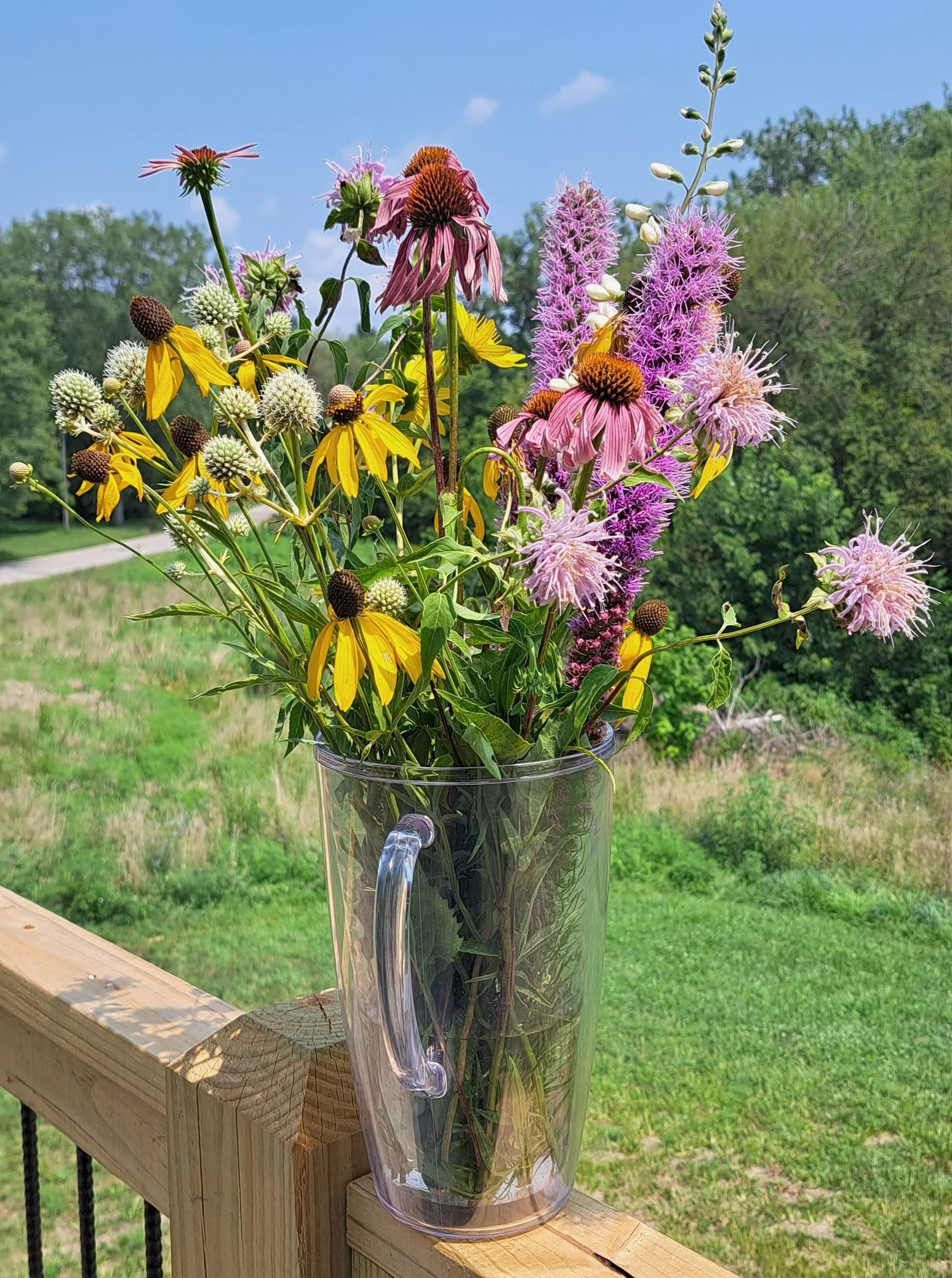
All my favorite prairie flowers.
Rustic Roots & Simple Living
There is something special about growing plants that belong where you live.
While garden centers are filled with exotic flowers from around the world, some of the most beautiful, resilient, and beneficial plants are already native to Missouri. These wildflowers evolved alongside our local bees, butterflies, birds, and wildlife, making them an important part of the ecosystem. As an added bonus, many native plants require less water, fewer fertilizers, and less maintenance once established.
Over the past few years, I have become increasingly interested in adding native plants to my garden and around our property. I even added a butterfly garden at school. Not only do they provide beautiful blooms throughout the growing season, but they also attract an incredible variety of pollinators. On any given summer morning, you can find bees gathering pollen, butterflies drifting from flower to flower, and goldfinches perched on seed heads.
If you're looking to add a few native plants to your own garden, here are some of my favorites.
Butterfly Milkweed
Butterfly Milkweed (Asclepias tuberosa) is one of the most striking native flowers you can grow. Its bright orange blooms seem to glow in the summer sunshine and are nearly impossible to miss.
As the name suggests, butterflies love it. This plant serves as a host plant for monarch butterflies and provides nectar for a wide variety of pollinators. Once established, it tolerates drought remarkably well and thrives in sunny locations.
I always enjoy watching the constant activity around these blooms. The flowers seem to attract visitors from sunrise to sunset, turning even a small garden bed into a lively gathering place for pollinators.
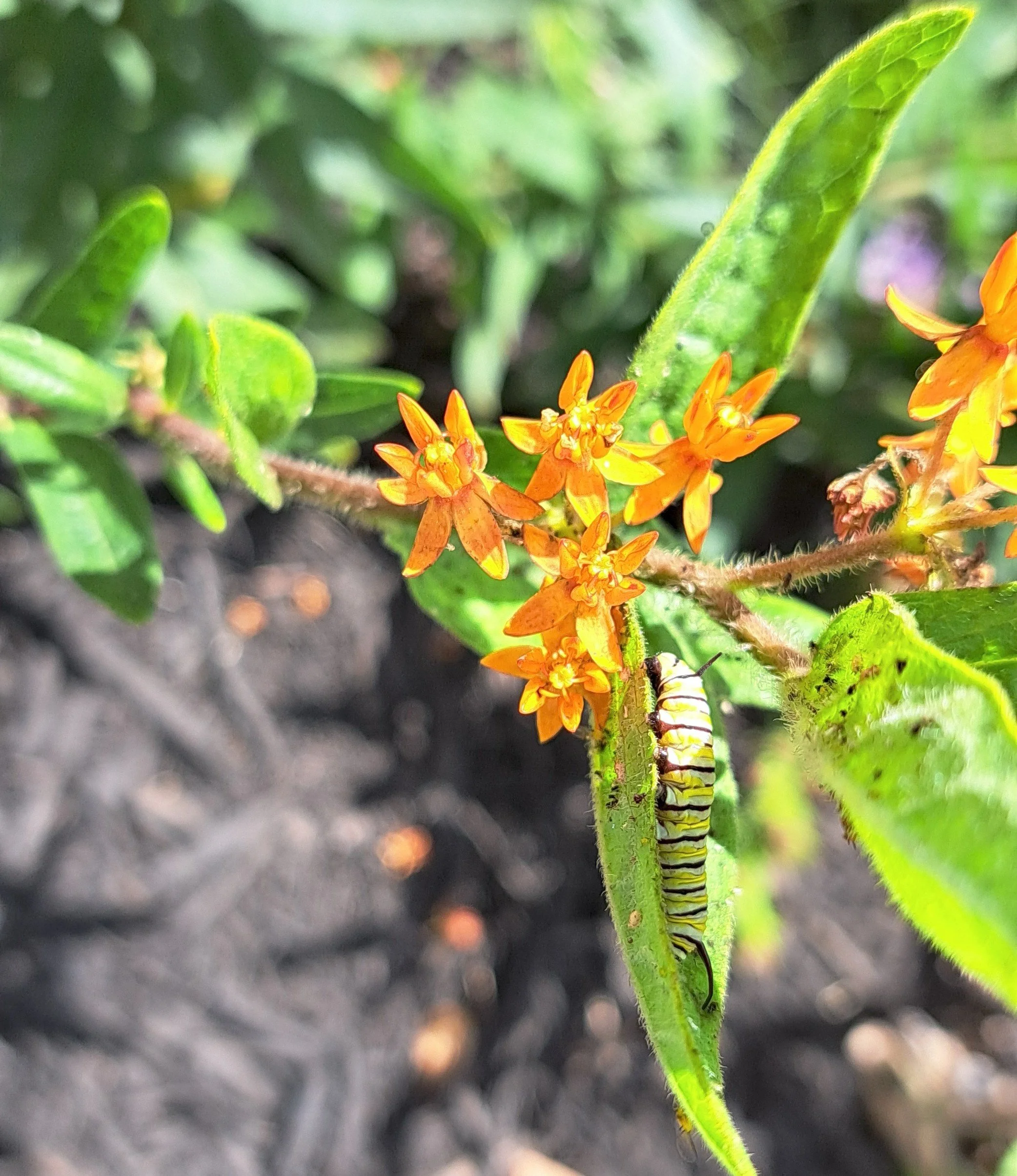
Monarch caterpillar on a butterfly milkweed plant in our school butterfly garden.
Gray-Headed Coneflower
If I had to choose a favorite prairie flower, Gray-Headed Coneflower (Ratibida pinnata) would certainly be at the top of the list.
These tall plants produce cheerful yellow petals that droop gracefully from their distinctive gray-brown centers. Their height and movement add a wonderful prairie feel to the garden, especially when a summer breeze rolls through. It is amazing that something so delicate can be so hardy in the summer sun.
Pollinators flock to the blooms throughout the growing season, and later in the year the seed heads provide food for birds. Goldfinches are especially fond of them.
There is a certain elegance to these flowers that makes them stand out among many traditional garden plants. They look right at home in both formal flower beds and naturalized prairie plantings.
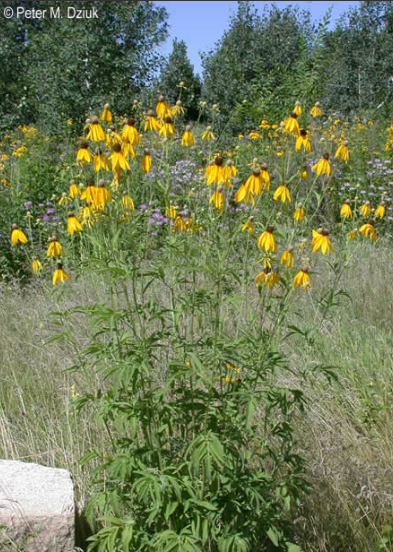
At home on the prairie or in your flower bed.
Blazing Star
Blazing Star (Liatris) brings a completely different shape and texture to your garden.
Unlike many flowers that bloom from the bottom up, Blazing Star sends up tall purple spikes that open from the top down. The blooms create dramatic vertical accents and provide a stunning contrast to other native flowers.
Butterflies seem particularly drawn to these plants. During peak bloom, it is not uncommon to see several butterflies visiting a single flower spike at once.
There are several different species of Liatris to choose from!
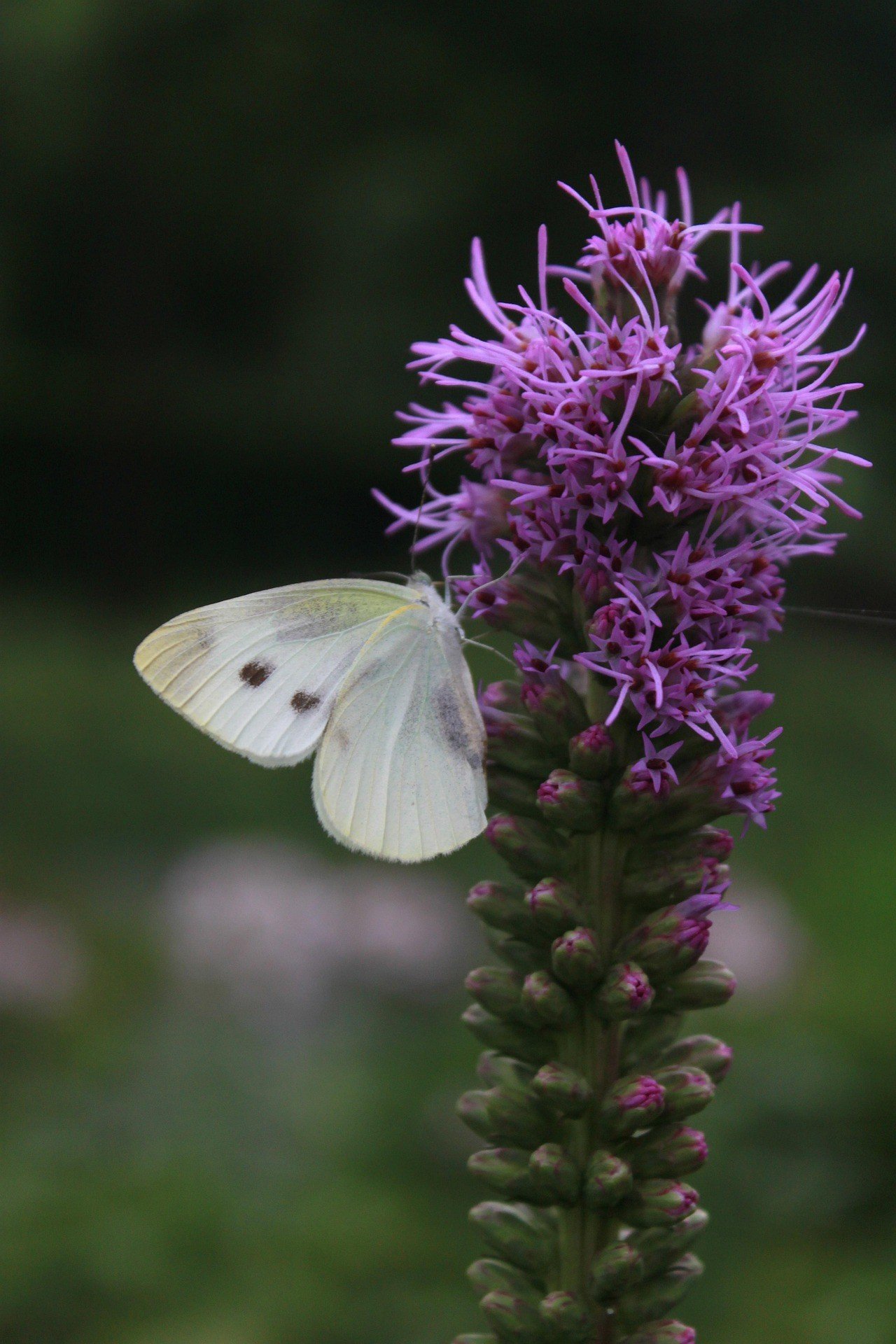
Also knows as Gayfeather.
Bee Balm
Bee Balm, also known as Wild Bergamot (Monarda fistulos), is another native favorite.
Its lavender-pink flowers have a charming, slightly wild appearance that fits perfectly into cottage gardens and prairie plantings alike. The blooms are highly attractive to bees, butterflies, and hummingbirds.
One of the things I appreciate most about Bee Balm is its versatility. Beyond its value as a pollinator plant, the leaves can also be used to make herbal tea. The plant carries a pleasant fragrance and spreads readily, making it a wonderful choice for filling larger spaces.
When Bee Balm begins blooming, the garden becomes noticeably busier with pollinator activity. It truly earns its name.
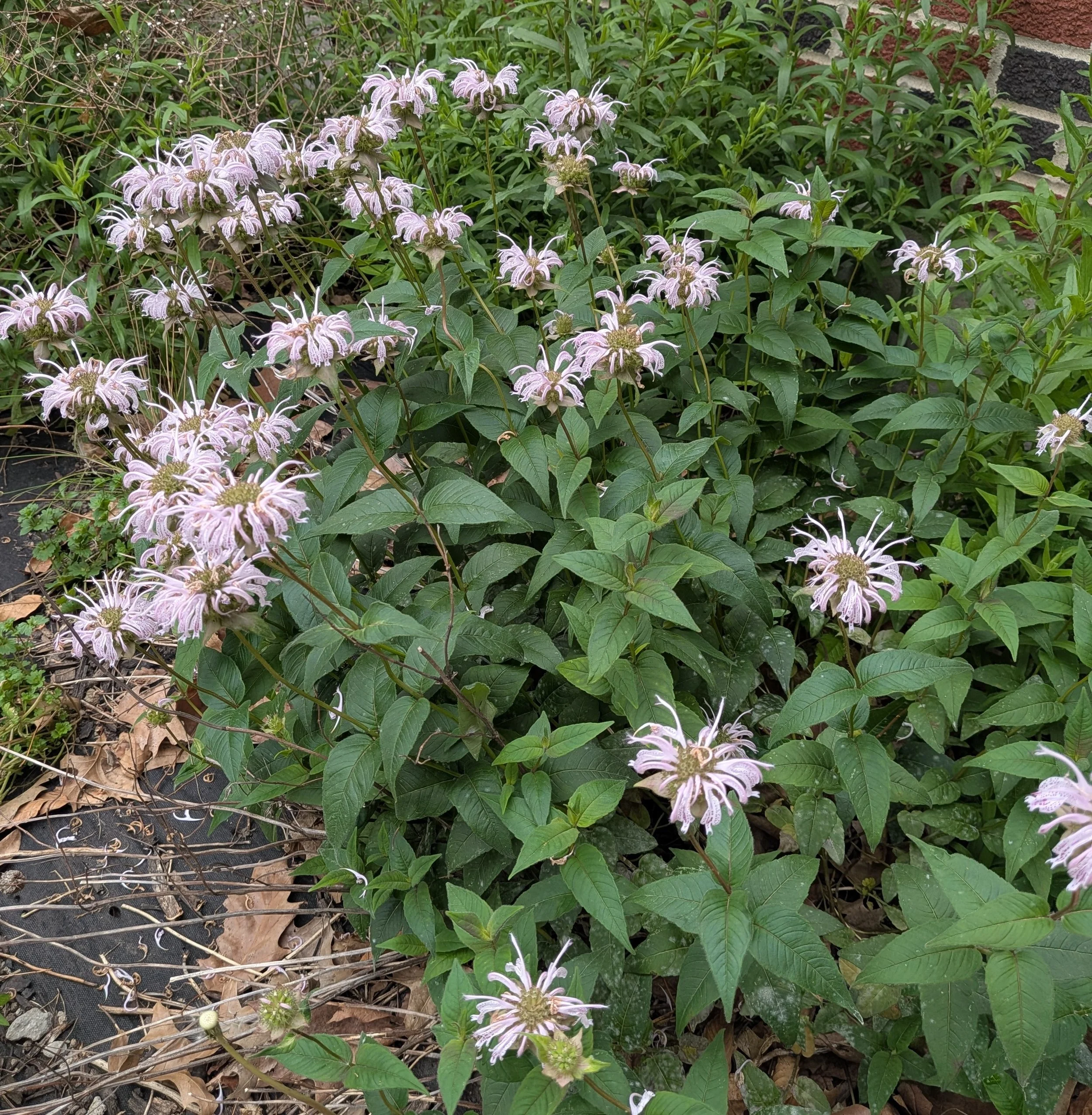
Monarda in our school butterfly garden.
Black-Eyed Susan
Few native flowers are as cheerful and easy to grow as Black-Eyed Susan (Rudbeckia hirta).
Their bright yellow petals and dark centers bring color to the garden throughout much of the summer. They tolerate a variety of growing conditions and often reseed themselves, creating larger displays year after year.
For beginning gardeners, Black-Eyed Susans are one of the easiest native flowers to grow successfully. They provide dependable blooms with very little fuss.
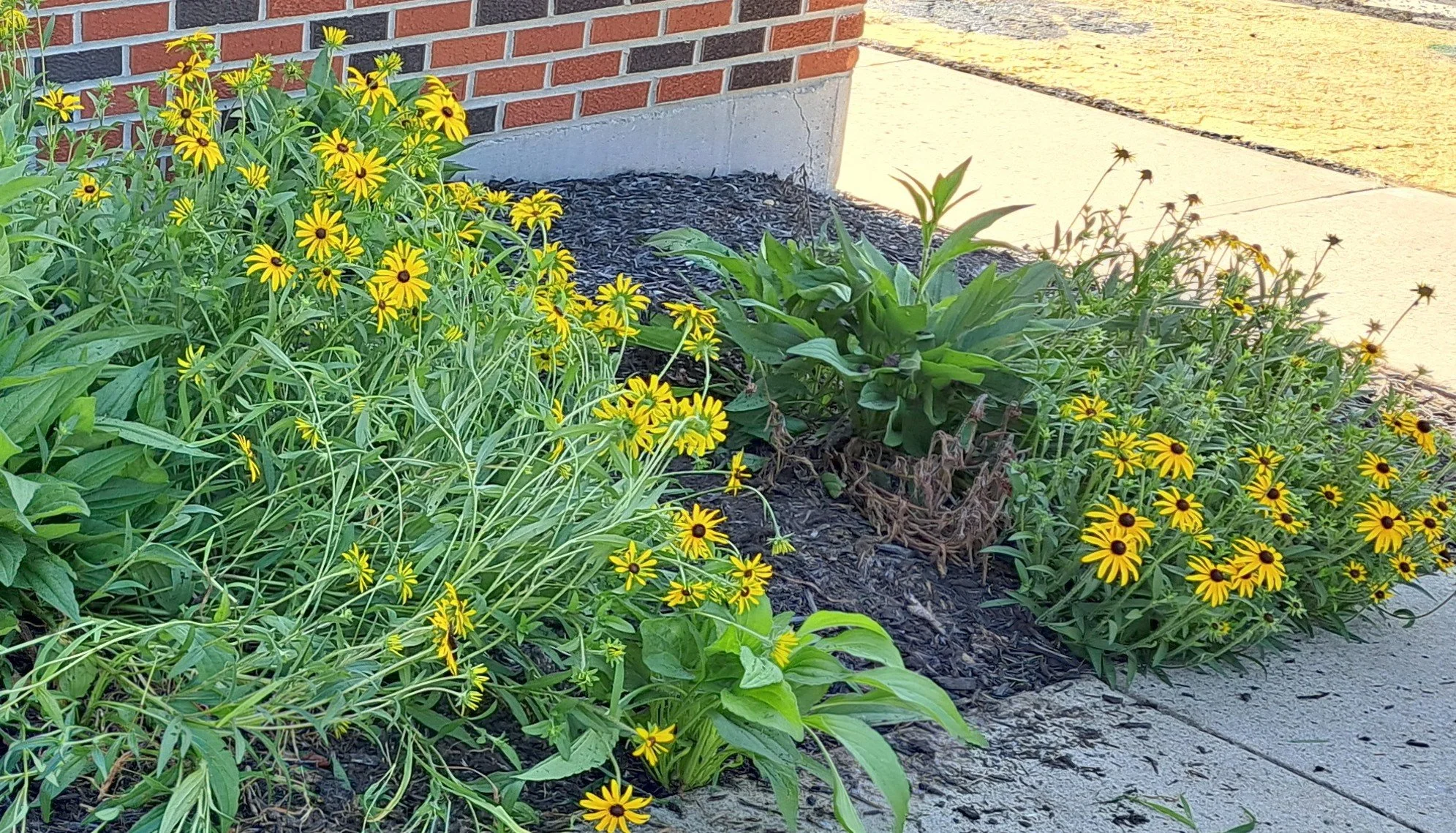
Black eyed Susan’s in a planting at school.
Purple Coneflower
Purple Coneflower (Echinacea purpurea) is perhaps one of Missouri's most recognizable native flowers.
The large purple blooms are beautiful enough to earn a place in any flower garden, but they also provide tremendous value for pollinators. Bees and butterflies frequently visit the flowers during summer, while birds enjoy the seeds later in the season. Another beautiful coneflower is the Pale Purple coneflower. It has more delicate petals and seems to dance in the breeze.
Even after the blooms fade, the seed heads continue to add interest to the winter landscape. Leaving them standing provides food for wildlife and a reminder that every season has its own beauty.
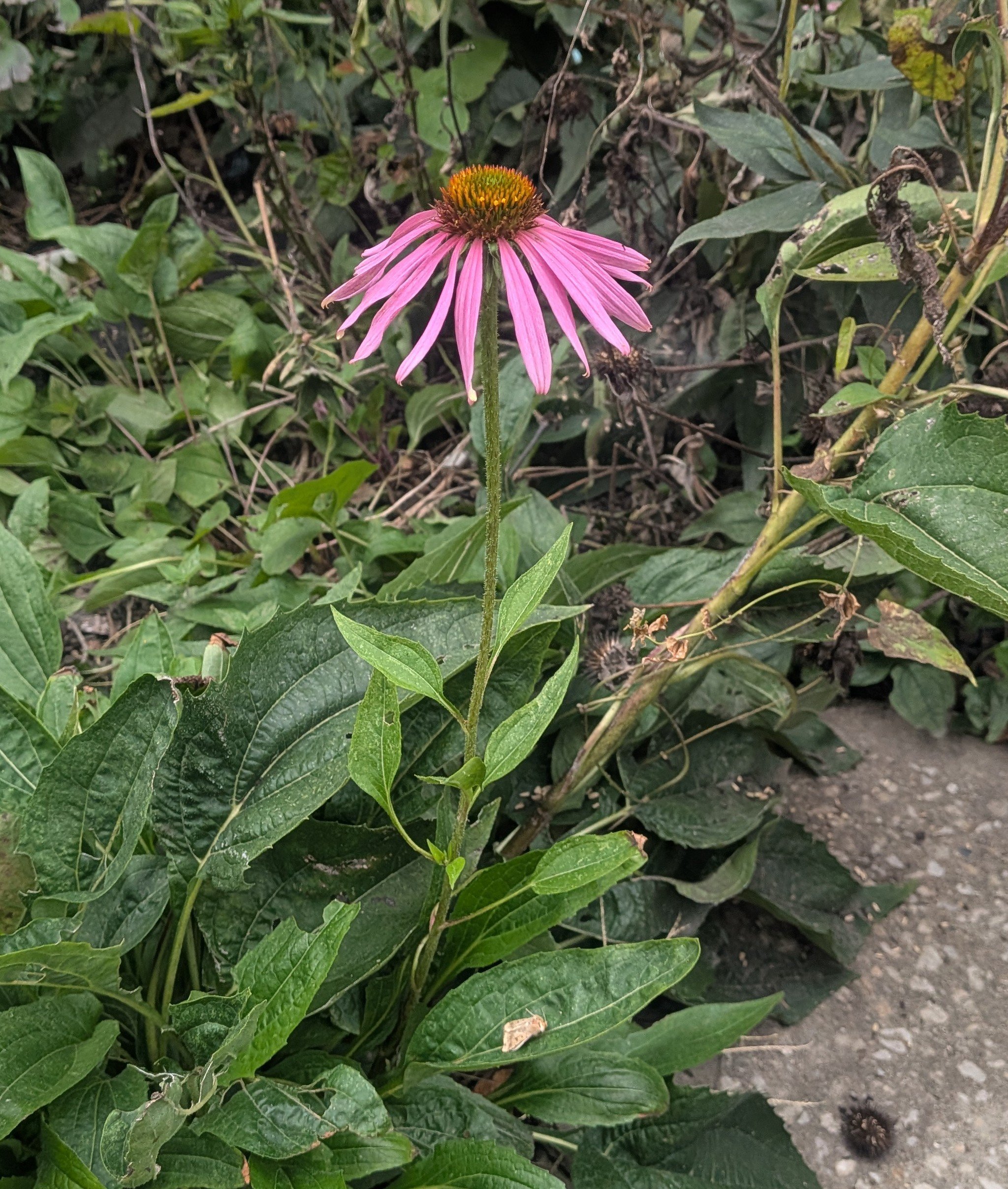
Purple Coneflower in our school Butterfly Garden.
Why Native Plants Matter
Native plants offer benefits that go far beyond their appearance.
Because they evolved in our region, they are naturally adapted to local weather conditions, soils, and wildlife. This often means less watering, fewer pest problems, and less overall maintenance. At a time when our native pollinators are under stress, these plants are even more important.
More importantly, native plants help support the creatures that share our landscape. Pollinators rely on native flowers for nectar and pollen, birds depend on native plants for food and shelter, and healthy native plant communities contribute to overall biodiversity.
Even a small garden can make a meaningful difference.
Final Thoughts
If I could only choose a handful of flowers for my garden, many of them would be Missouri natives. They ask for very little once established, yet they give back so much in return. Their blooms provide color throughout the growing season, their seed heads feed birds in the fall and winter, and their flowers support countless bees and butterflies during the summer months.
If you are interested in starting a butterfly garden or prairie planting an excellent source is Grownative.org. You will find garden plans and so much information on their website. They have a list of reputable nursery’s that sell native plants. It is best to make sure you have the actual native plants adapted to our region. Look for the Grow Native logo.
Some of my favorite mornings are spent wandering through the garden with a cup of coffee in hand, watching pollinators move from bloom to bloom while prairie flowers sway gently in the breeze. Those quiet moments serve as a reminder that beauty doesn't always need to be imported from somewhere else. Sometimes the plants that belong here are exactly the ones we need.
Happy Gardening! Drop me a message if you have any questions!
Roxanne