Why Tallow Is Making a Comeback
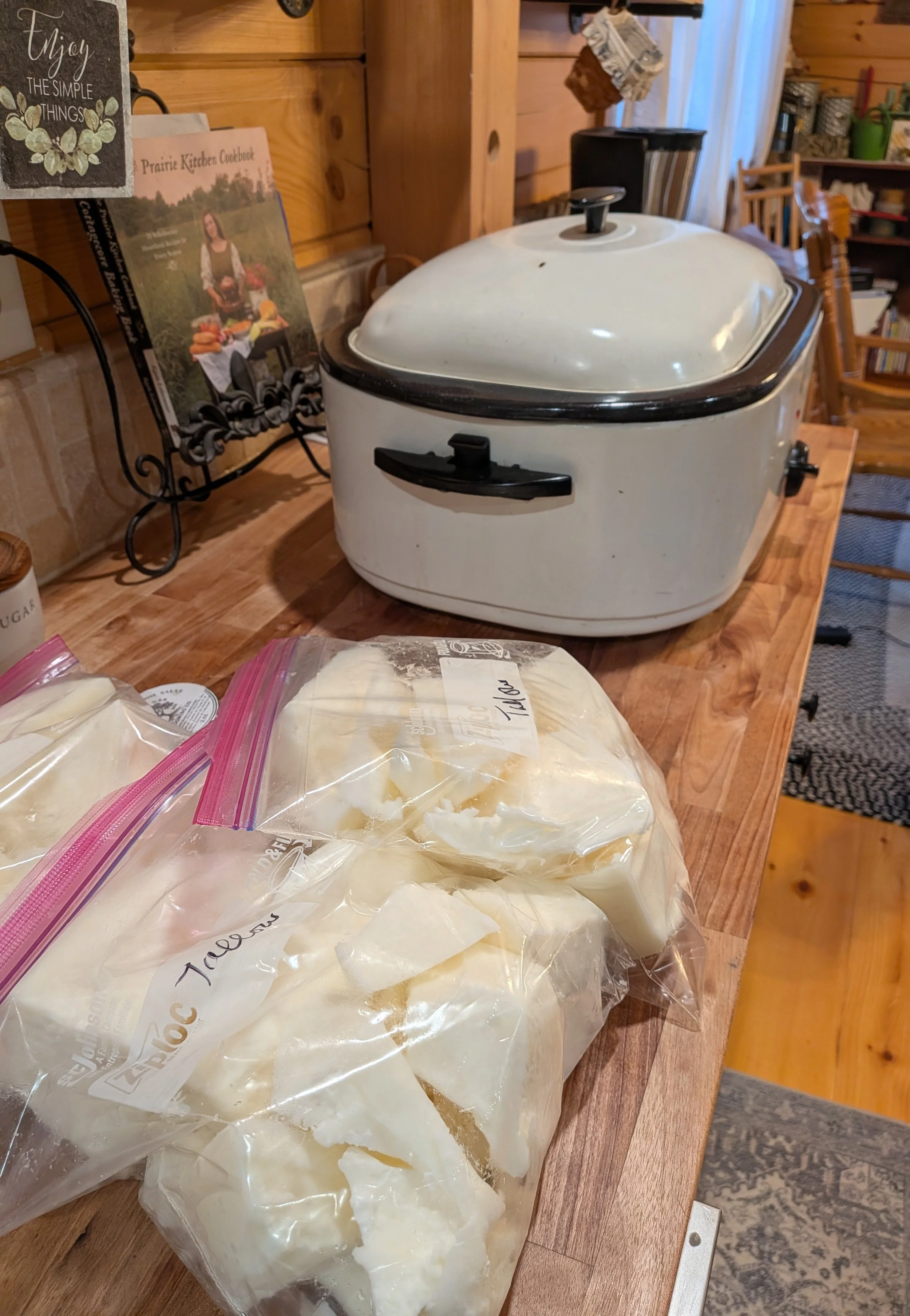
A batch of freshly rendered tallow.
There was a time when nearly every household had a jar of rendered tallow tucked away in the kitchen or pantry. Long before shelves were lined with lotions, creams, and specialty skincare products, our grandparents and great-grandparents relied on simple ingredients from the farm to care for their families. One of those ingredients was tallow. Found in both the kitchen and the medicine cabinet, tallow was valued for its versatility and practicality, serving as a cooking fat, soap ingredient, candle fuel, and skin moisturizer.
Today, tallow is experiencing a resurgence, and for good reason. More people are searching for simple, natural products made with recognizable ingredients. As consumers become more mindful about what they put on their skin and in their homes, many are rediscovering this traditional homestead staple.
What Is Tallow?
Tallow is rendered beef fat that has been purified through a gentle heating process. When properly rendered, tallow becomes a clean, creamy ingredient that has been used for centuries in cooking, candle making, soap making, and skincare.
While it may seem surprising to some that animal fats are used in skincare, tallow was once one of the most common ingredients found in homemade salves, soaps, and skin remedies. Its use dates back generations and remains a valuable resource for those seeking a simpler, more traditional approach to everyday living.
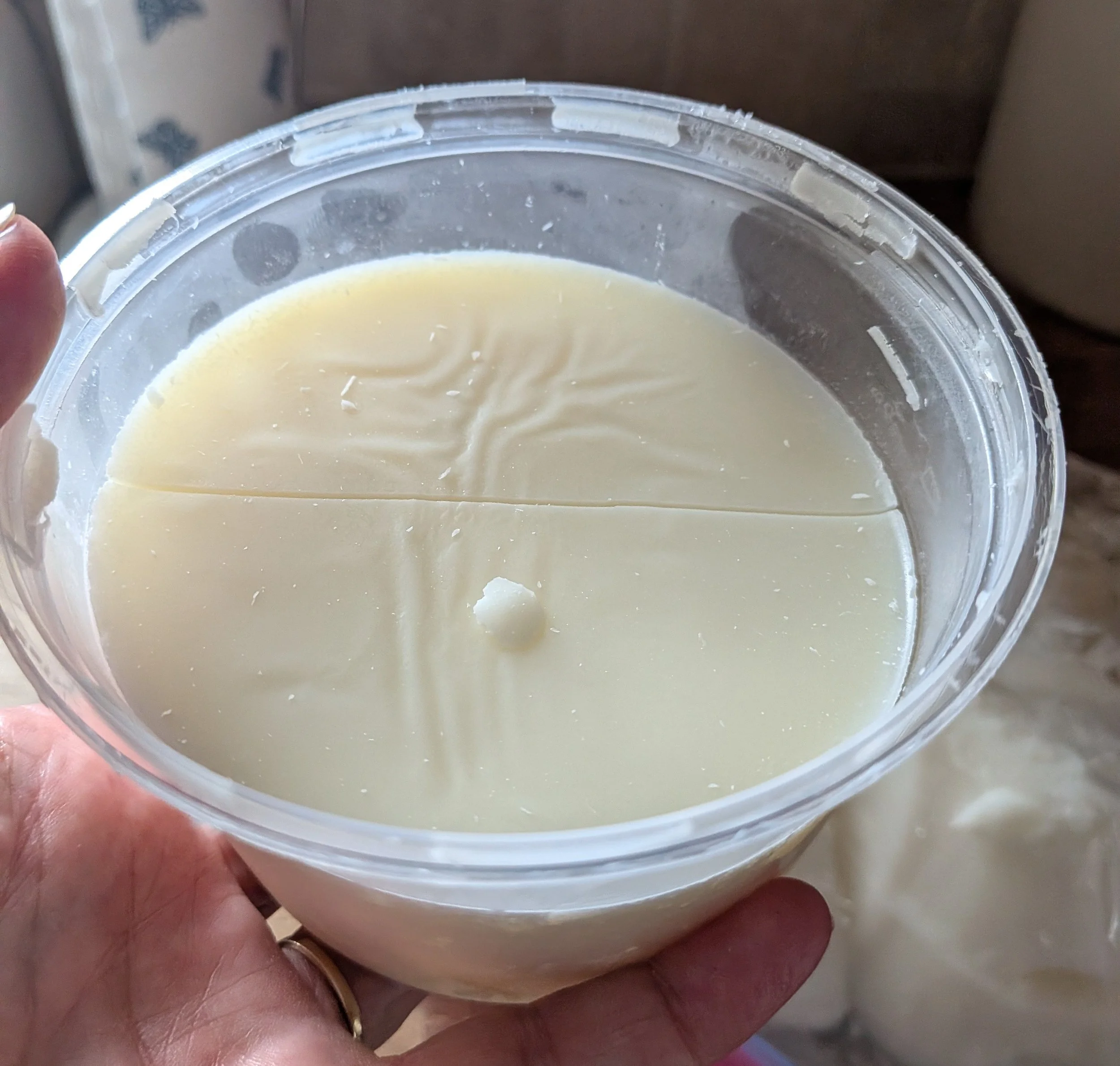
Suet tallow is much firmer than tallow made from fat trimmings.
Why Does Tallow Work So Well for Skin?
One reason tallow has regained popularity is because its composition is remarkably compatible with our skin. The fatty acids found in tallow closely resemble those naturally present in human skin.
Because of this similarity, many people find that tallow absorbs easily without leaving their skin feeling greasy or coated. Instead, it helps nourish and soften the skin while supporting the skin's natural moisture barrier.
Tallow naturally contains:
Vitamins A, D, E, and K
Beneficial fatty acids
Nutrients that help support healthy skin
Long-lasting moisturizing properties
Many users report that tallow-based products leave their skin feeling soft, conditioned, and comfortable, especially during dry weather.
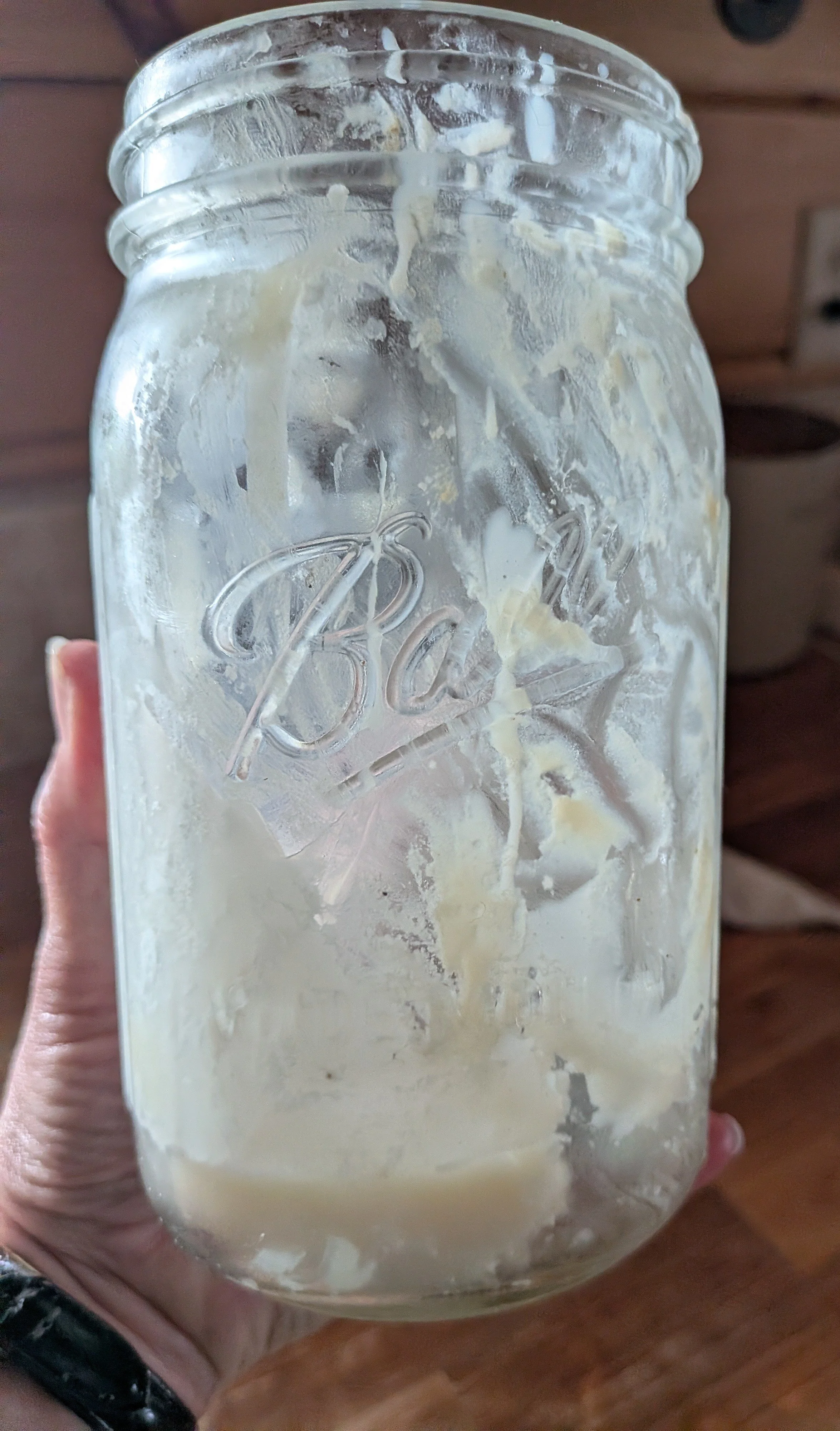
Tallow jar that sits by my stove. I cook with it often.
A Return to Simplicity
Modern skincare products often contain long lists of ingredients that can be difficult to pronounce. Preservatives, stabilizers, synthetic fragrances, and fillers are commonly used in commercial formulations.
Many people are now embracing a "less is more" philosophy when it comes to skincare. They want products made from simple ingredients they recognize and understand.
Tallow fits beautifully into that mindset.
A traditional tallow balm may contain only a handful of ingredients, such as:
Rendered tallow
Olive oil, jojoba oil, or another nourishing oil
Beeswax
Herbal infusions
Essential oils
Simple ingredients. Simple purpose.
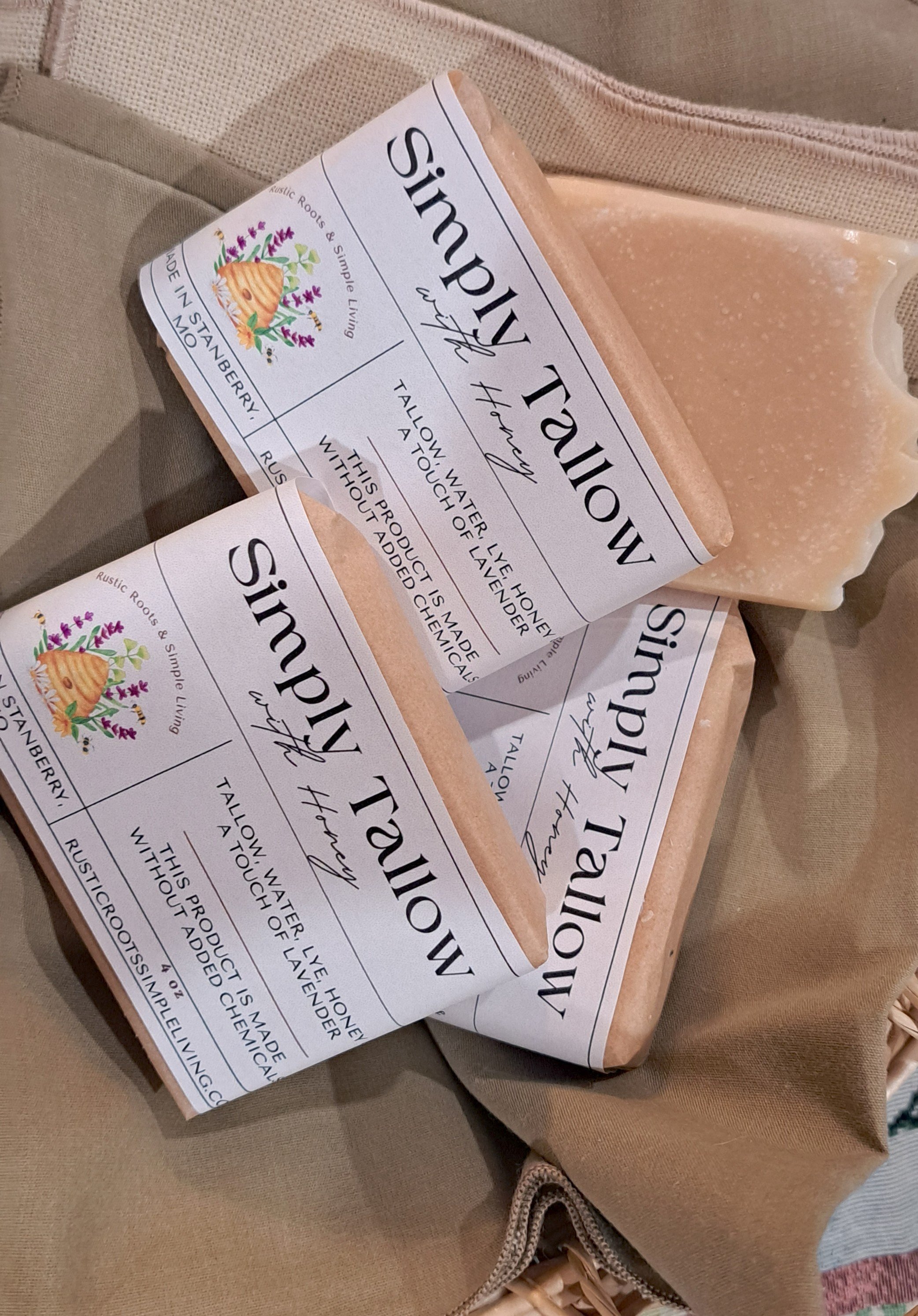
Tallow soap is creamy, gentle and does not dry out the skin.
Tallow and Dry Skin
One of the most common reasons people try tallow skincare is to help with dry, rough skin.
Whether it's winter weather, frequent hand washing, gardening, farming, or simply spending time outdoors, many of us struggle with dry skin throughout the year.
Tallow creates a protective barrier that helps lock in moisture while allowing the skin to breathe. Many people use it on:
Hands
Elbows
Knees
Feet
Cuticles
Dry patches
A little often goes a long way.
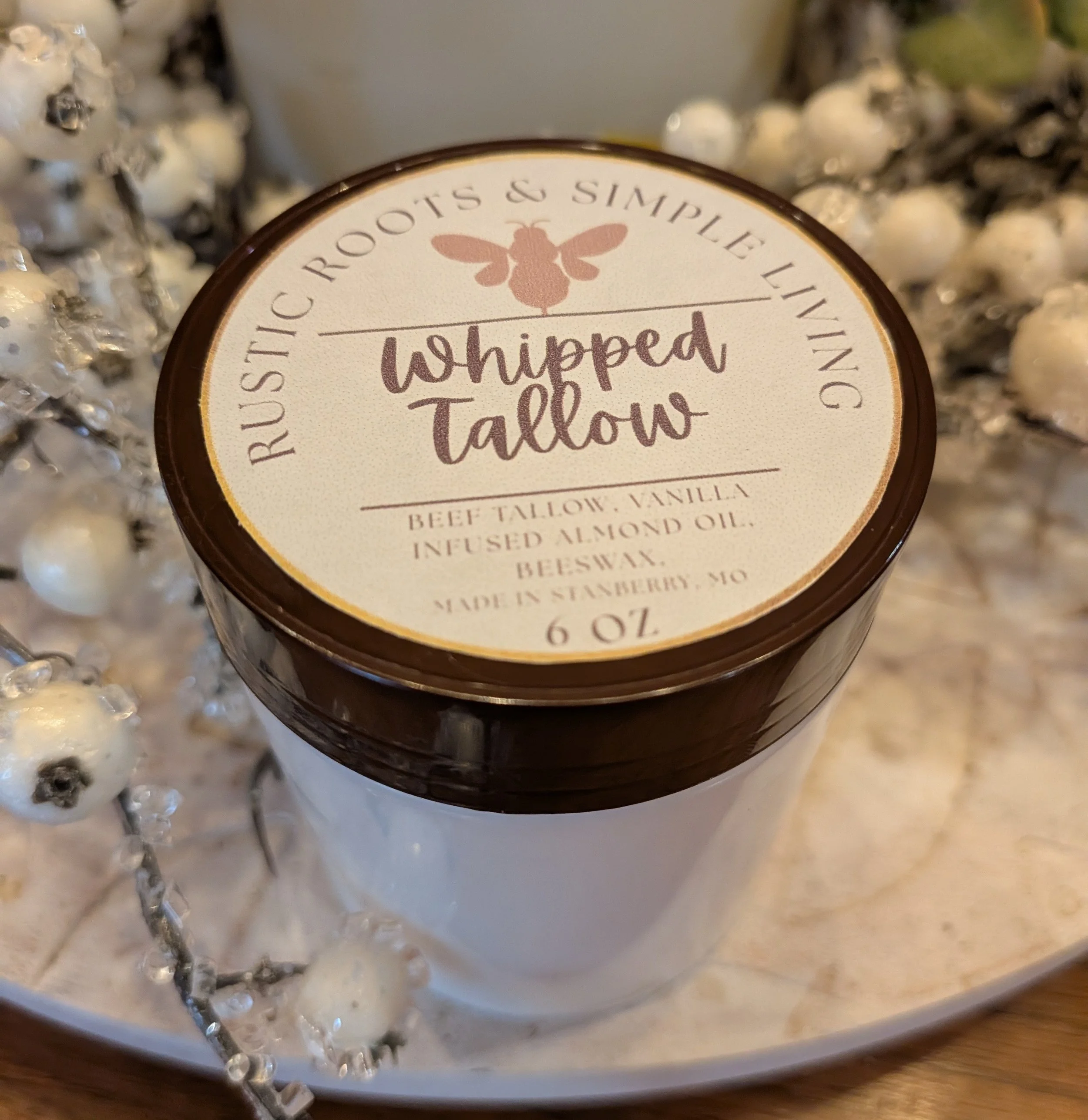
My whipped tallow can be used all over the body.
Tallow in the Kitchen
While tallow has gained attention for its skincare benefits, its roots extend far beyond homemade balms and soaps. For generations, tallow was a staple ingredient in farm kitchens across America.
Before the widespread use of highly processed vegetable oils, families commonly cooked with rendered beef tallow. It was prized for its long shelf life, rich flavor, and ability to withstand high cooking temperatures.
Tallow works especially well for:
Frying potatoes
Roasting vegetables
Cooking meats
Making pie crusts
Seasoning cast iron cookware
Because tallow has a high smoke point, it remains stable at temperatures that can cause some oils to break down. Many home cooks appreciate both its performance and the depth of flavor it can add to certain dishes.
For homesteaders and those interested in traditional foodways, rendering and using tallow is another way to make the most of available resources. Much like our ancestors did, many families today are rediscovering the value of transforming what was once considered a byproduct into something useful and nourishing.
Whether it's used in the kitchen, the soap pot, or a handmade skincare balm, tallow continues to prove its versatility. It serves as a reminder that simple ingredients often have more than one purpose, making them especially valuable in a self-sufficient lifestyle.
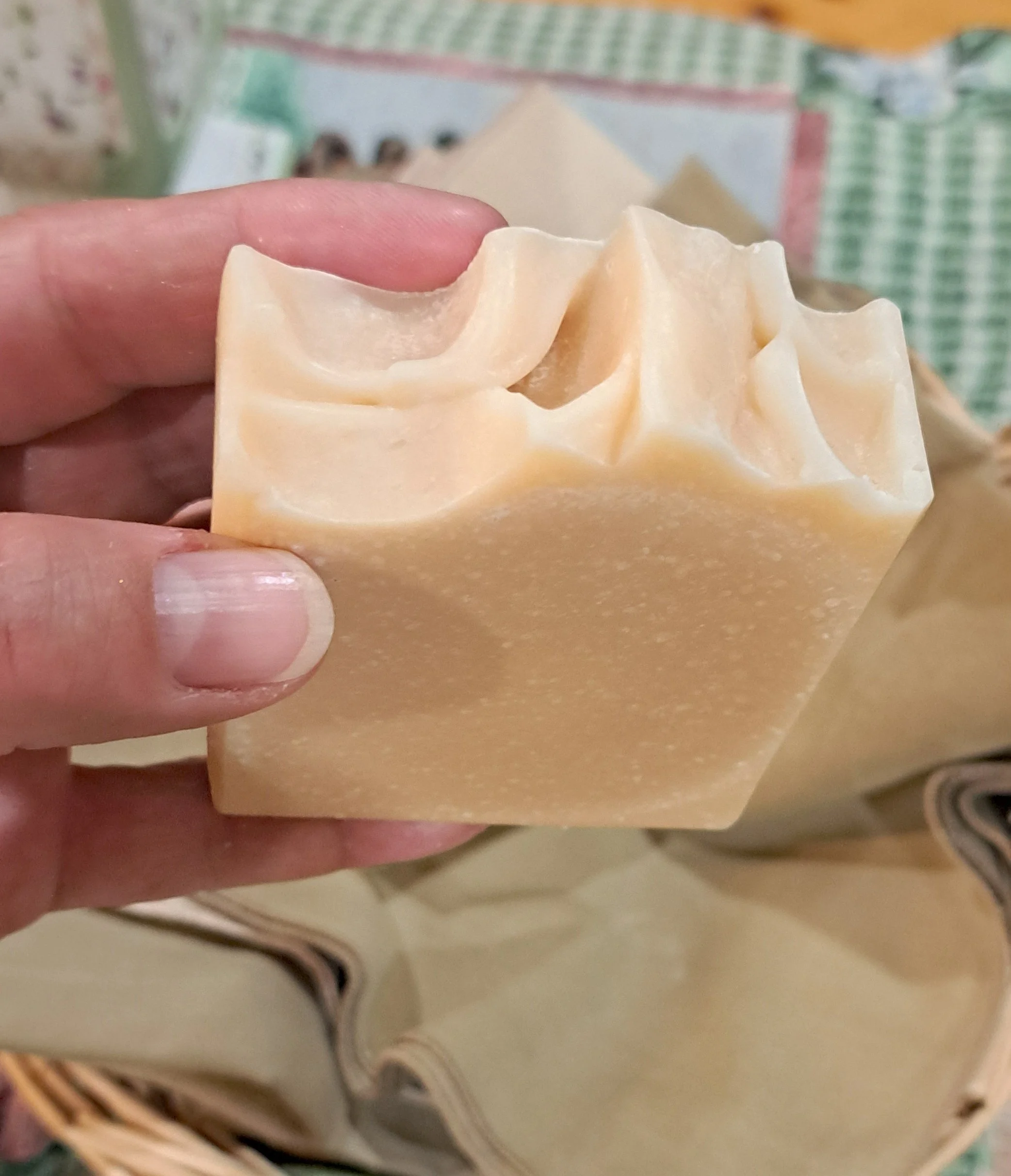
My favorite Simply Tallow soap.
Not Your Grandmother's Greasy Tallow
When some people hear the word "tallow," they imagine a strong smell or a heavy, greasy product. Modern tallow skincare products are quite different.
Properly rendered tallow is clean and mild. When blended with nourishing oils and whipped into a balm, it creates a light, creamy texture that melts into the skin.
Many artisans also incorporate herbs and essential oils to create unique products that combine traditional ingredients with modern skincare preferences.
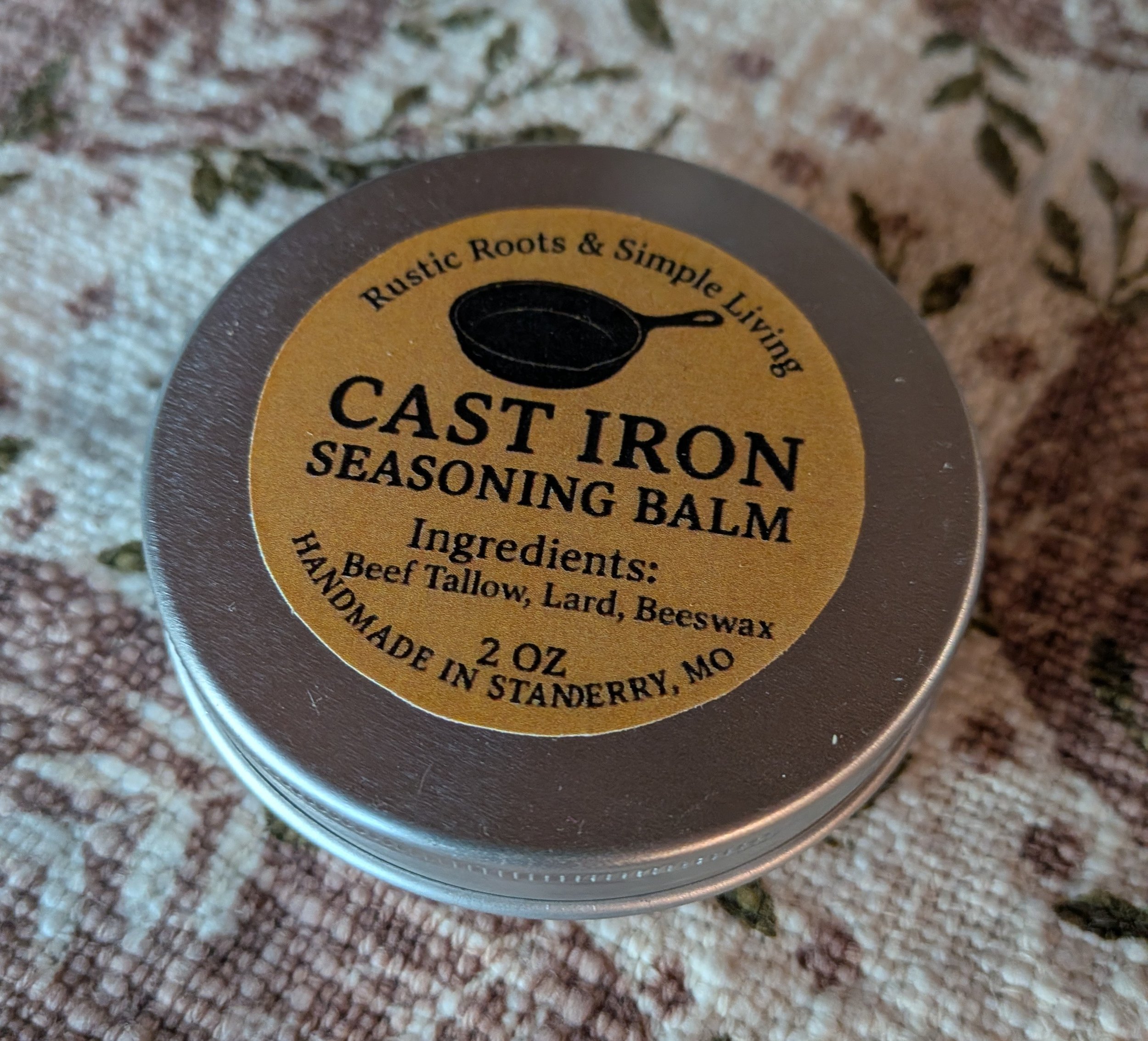
My cast iron seasoning balm contains tallow.
Why I Love Using Tallow
As someone who enjoys simple living and creating handmade products, I appreciate the beauty of using ingredients that have stood the test of time.
Tallow is one of those ingredients.
It reminds us that effective skincare and useful household products don't always require complicated formulas. Sometimes the best solutions are the ones that have been trusted for generations.
Whether I'm making soap, crafting a nourishing balm, rendering cooking tallow for the kitchen, or simply embracing traditional skills, I enjoy knowing that I'm carrying on a practice that has served families for centuries.
In a world that often feels complicated, there's something comforting about returning to the basics.
And perhaps that's the real reason tallow is making a comeback.
Thanks for reading!
Roxanne